


OLIVE
Unique and important as its history, vital to humanity and a carrier of symbols and rich meanings, the olive tree continues to offer its valuable fruits through the ages.
AN ETERNAL SYMBOL
Everything started when, according to the Greek mythology, Athena, goddess of wisdom, the wisest of Zeus’s daughters, that had stuck a spear into the ground at the break of civilization, and the spear had turned into an olive tree...
Ever since, the olive tree has been playing an important role for the Greeks and the people of the world. The Greek poet Homer called it “liquid gold.” The Greek philosopher Democritus believed a diet of honey and olive oil could allow a man to live long. Aristotle considered the cultivation of olive trees as a science. In the sixth century B.C. the Athenian legislator Solon introduced laws protecting olive trees. There are more than a hundred references in the Bible to olives and olive oil.
The olive branch is a symbol of peace, because of their slow growth, in ancient times olives were not cultivated during war time and therefore considered as peace-time trees. The olive branch has long been known as a symbol of victory, peace and purity. It has been historically worn by brides, carried by doves and made into wreaths. A wreath made of olive tree was awarded to all the Olympic Games winners.
Through the years, form the Odyssey to the Bible and even contemporary art and literature the olive tree symbolizes peace, fertility, purity, power, victory and is considered as a good omen.
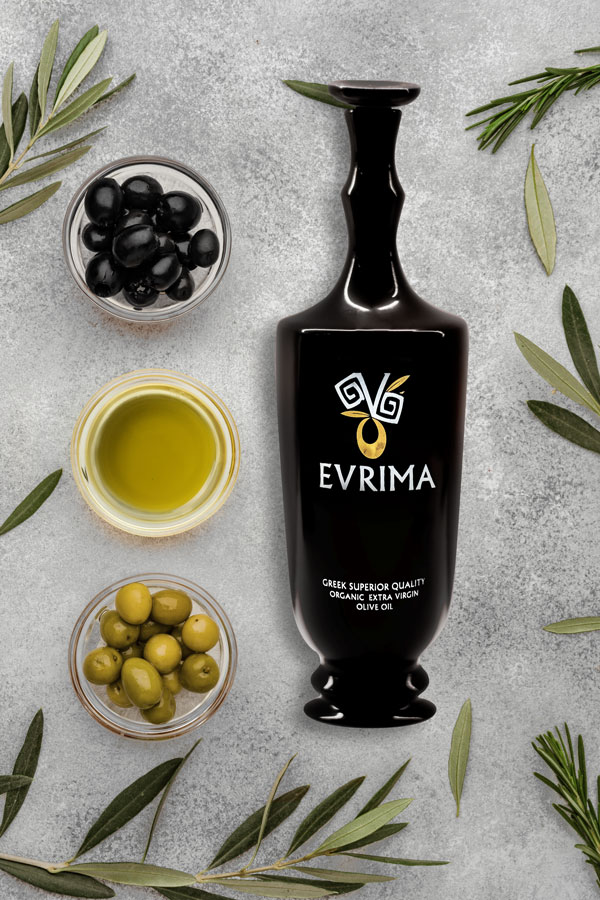
THE SCIENCE OF TASTE
The healing properties of olive oil were acknowledged since ancient years. Hippocrates, the “father of Medicine” used olive oil in more than 60 of his remedies.
Today Extra Virgin Olive Oil is recognized of its tremendous antioxidant properties and health benefits. It also is full of vitamins K and E and monounsaturated fatty acids.


